Wedding planning often begins with the obvious questions: Are you available? What's included? How much does it cost? While those answers matter, they're only part of the story.
A beautiful portfolio, an impressive pricing package, or a polished social media feed can tell you what a vendor creates. The right questions reveal something far more important: how they'll communicate, solve problems, collaborate with your vendor team and support you throughout one of the biggest days of your life.
We asked California wedding experts to share the questions every couple should ask before signing on the dotted line, and why those conversations can make all the difference.
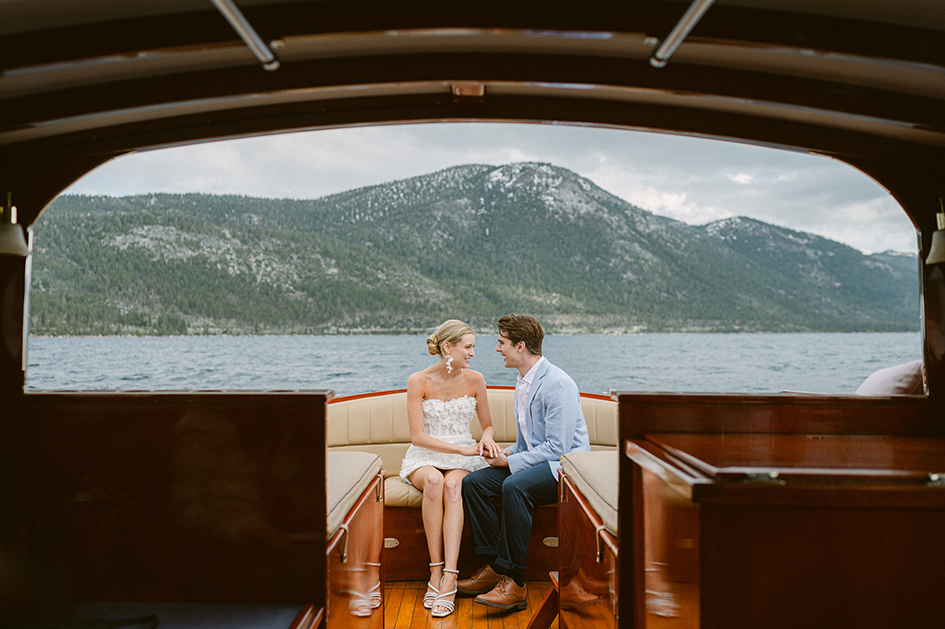
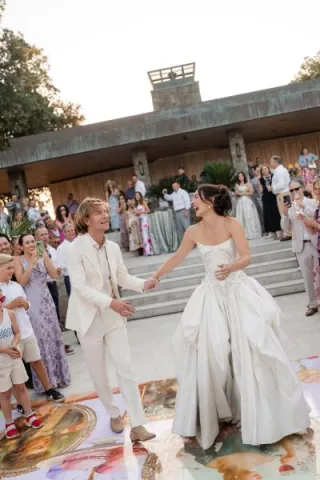
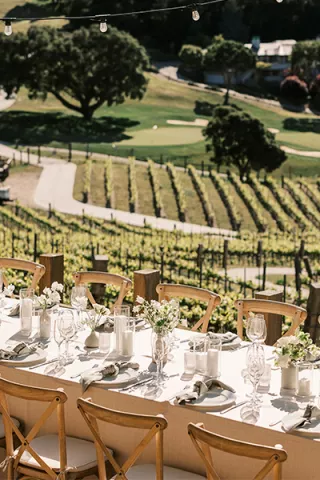
Sarah Woods Photography courtesy of Hyatt Regency Lake Tahoe Resort, Spa and Casino
How They Communicate
For Sara Flaxman, Wedding Planner and Designer at Champagne Dreams + Co., the conversation starts with one direct ask: "How do you communicate throughout the planning process, and what can we expect from you leading up to the wedding day?" A vendor's communication style, she says, "can shape the entire planning experience." Couples should feel confident not only in a vendor's talent, but in their ability to "respond clearly, manage expectations, and keep everyone aligned."
Katie Stirrett, Event Sales Manager at Hyatt Regency Lake Tahoe Resort, Spa and Casino, frames it as a question of response times as much as tone: "How do you typically communicate throughout the planning process, and what can we expect in terms of response times?" The answer, she notes, "helps couples understand if they'll feel supported, informed, and taken care of every step of the way."
Nikki Keller, Founder of The Venue Assistant, puts it plainly. "A great vendor doesn't just show up on your wedding day," she says. "They should have a clear process for communication, timelines, updates, and next steps so couples always know what to expect."
Taylor Toerien, Principal Planner with Monge Amore Events, encourages couples to ask what a vendor's communication style looks like throughout planning: whether they check in regularly, and whether they prefer email, calls or shared planning tools. "Clear, consistent communication," she says, "is the backbone of a smooth experience."
The channel itself matters too. Meg Walker, Venue Operator of La Venta Inn and Redondo Beach Historic Library and Head Chef of Made by Meg Catering, prefers email so notes can be referenced and easily forwarded to another team member. She's also noticed that for clients with busy in-person schedules, "not everyone can discuss their wedding openly on the phone at their desk," making a written trail all the more valuable.
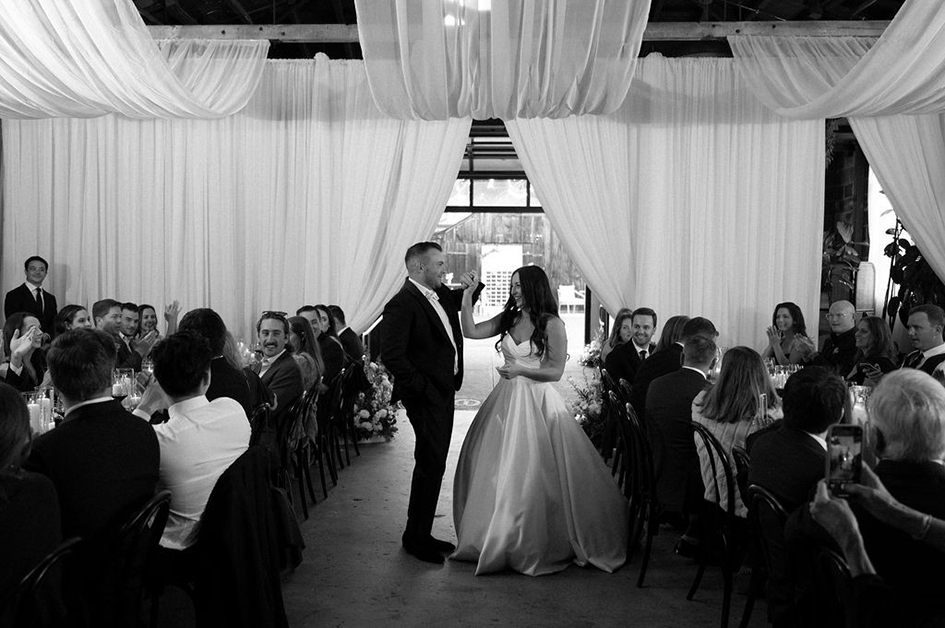
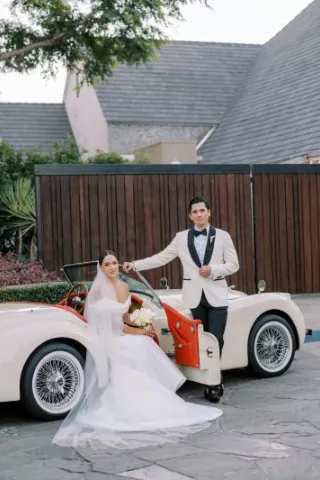
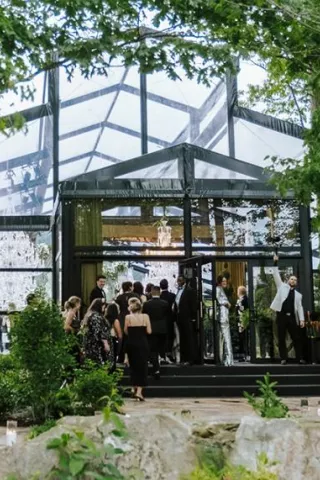
Ellie Koleen courtesy of Zest It Up
How They Solve Problems
A portfolio shows what a vendor creates. It doesn't show how they behave when something goes wrong. As Stirrett puts it, ask for "an example of a challenge you've faced at a wedding and how you handled it," since "these stories often give great insight into how a vendor thinks on their feet and stays calm when things don't go exactly as planned."
Flaxman agrees the wedding day itself is the real test. "Weddings are highly detailed, live events, and even the most intentionally planned celebration can require last-minute adjustments," she says. "The right vendor should be able to speak confidently about how they problem-solve, adapt, and stay composed under pressure."
The Sales Team at Chic Event Rentals points couples toward the practical side of preparedness: a vendor's experience at the specific venue, their setup and breakdown process, and the contingency plans in place if weather, timeline changes or logistics shift. "Even the most carefully planned celebrations can require last-minute adjustments," they note, and an experienced vendor should be able to explain not just what they provide, but how they keep things running smoothly.
Marisa Furlong of I DO Need You Wedding Day Management asks couples to go further than a story and get a plan. "Experienced vendors should have contingency plans and clear processes in place for navigating the unforeseen," she says. "The best vendors don't just execute a plan beautifully, they know how to pivot gracefully when needed, ensuring the couple remains fully present and able to enjoy their celebration."
Walker offers a Southern California-specific example: even here, "you'll want to know if your wedding venue will require you to either move inside or rent a tent" for rain or wind, since weather is unpredictable until just a few days out. She also recommends asking what happens if a vendor becomes ill on the day, and how many events a company takes on so as not to overextend its team. At her venues, that means a hard cap of two events per day with buffer time built in, and a bench of on-call staff for emergencies.
Holly Holliday, Venue Manager at Tar Creek Ranch, suggests asking directly what challenges come with a property and how a vendor helps solve them. "The goal is not to find a venue with no limitations," she says. "The goal is to find a venue that is honest about them and experienced in managing them."
Samantha Nason of Zest it Up wants to hear how a vendor responds under pressure, not whether problems exist at all. "You're looking for accountability, creativity, and calm leadership rather than blame," she says of the challenge question, adding that when timelines shift, "you want someone who adapts gracefully without creating additional stress for the couple."
And some problem-solving starts before anything goes wrong. Anna Skulteti of Snake Oil Cocktail Co. recommends asking to see a vendor's actual Certificate of Insurance, confirming it's current, and checking that coverage limits meet the venue's requirements, along with any service-specific documentation like health permits or liquor liability coverage. Experienced vendors, she notes, "handle that request without hesitation."
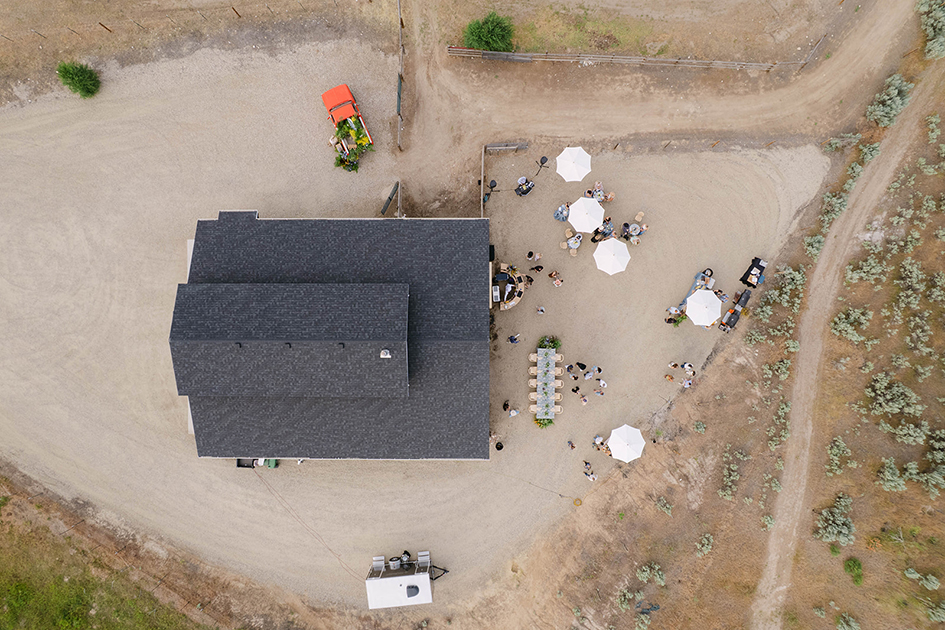
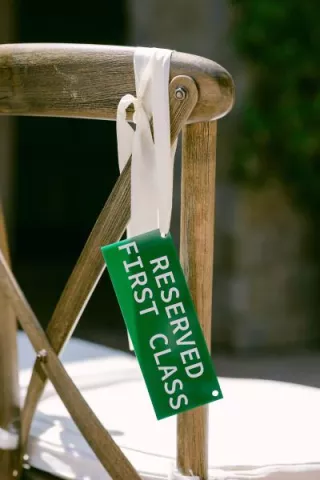
Jones Co Creative courtesy of The Venue Assistant
How They Collaborate
Weddings run on teamwork, and nearly every contributor pointed to the same underlying question. "How do you work with planners, venues, and other vendor partners?" asks Stirrett. "Since weddings are such a team effort, it's important to know your vendor communicates well and contributes to a seamless overall experience."
Tiffany Ott of Events By Tiffany J. keeps it simple: "A wedding is a team effort and it is important to have vendors that are team players. The best weddings feel seamless because the vendor team is aligned behind the scenes."
For photographers specifically, Joie Thongsavath of Simple Joie Photography suggests asking, "How do you help make our wedding day better beyond taking photos?" A great photographer, she says, is often "keeping the timeline on track, calming nerves before the ceremony, fixing a crooked boutonniere, communicating with planners and other vendors, and recognizing when a couple needs five quiet minutes alone."
Shelby Kenney of SK Events & Design frames collaboration as a two-way street, encouraging couples to ask, "What do you need from us to make this partnership successful?" That question, she says, "shifts the relationship from a transaction to a partnership" and helps couples understand what will be expected of them along the way, "ensuring there are no surprises."
Holliday describes just how many people that partnership actually includes: "the venue, planner, caterer, bar team, DJ, photographer, florist, rentals, transportation, and staffing team all need to understand the property, the timing, and the expectations." When the vendor team is aligned, she says, "the couple gets to actually enjoy the day instead of feeling like they need to manage it."
Keller sums it up in three words: "Weddings are team sports." The best vendors, she adds, "collaborate well, communicate clearly, and know how to work within a larger team to protect the client experience."
Walker suggests asking whether a company's team is made up of trained, in-house members or contracted out to whoever is available, since that distinction affects "the difference between people who are trained to your rules and standards" and a booking service that adds "unexpected expense and unpredictability."
Nason listens for a specific kind of language. When she asks vendors how they collaborate with the rest of the team, she's listening for answers that emphasize "partnership, flexibility, and mutual respect rather than 'I just focus on my part.'"
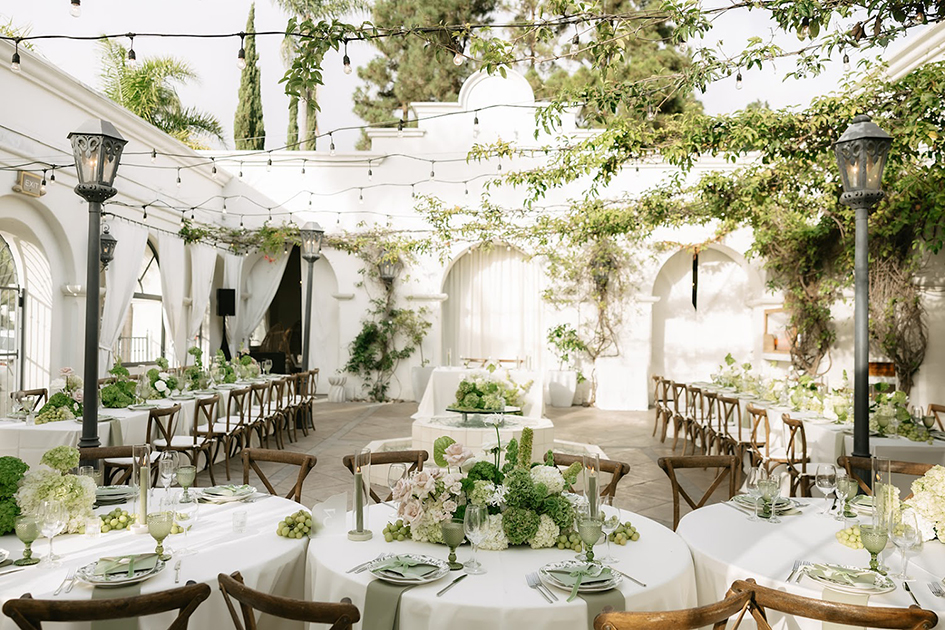
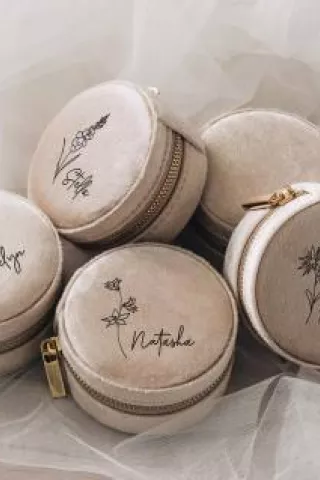
Maya Lora Photo courtesy of Events by Tiffany J.
How They Support You
Some of the most revealing questions have nothing to do with logistics at all. Ariela and Gerardo of ForLove Bridal encourage couples to ask what the flow of an appointment will look like from before they arrive to after they've said yes to the dress, and how a vendor navigates decision fatigue or dress FOMO along the way.
Stirrett extends that same care to the wedding day itself, suggesting couples ask what role a vendor takes on beyond their core service, how they help make the planning process feel less overwhelming, and, just as importantly, "who will actually be working with us and on-site during the wedding," so couples know exactly who they'll be building a relationship with.
Ott encourages couples to ask how a vendor will keep their day from feeling like a repeat of past work. "It's always important to make the event special to them and incorporate their personalities throughout," she says. "The wedding should feel personal."
Thongsavath returns to the idea that support often looks like presence rather than product: a photographer recognizing "when a couple needs five quiet minutes alone" is just as valuable as the images themselves.
Holliday encourages couples to think beyond the ceremony backdrop and ask how the guest experience flows "from arrival to the end of the night," from where guests find the bar to how the energy builds through dinner and dancing. "A thoughtful venue team should be able to walk couples through the whole event from a guest's perspective," she says.
Keller wants couples to understand what happens once the contract is signed. "Strong systems create confidence and reduce stress," she says of asking a vendor to walk through their process after booking.
Furlong circles back to partnership one more time, encouraging couples to ask, "What do you need from us to be successful?" It's a question, she says, that establishes expectations early and helps everyone understand how to work together well.
Nason asks vendors what success looks like on the wedding day itself. "If they talk about the couple feeling present, guests feeling cared for, and creating meaningful moments, it reveals a hospitality-first mindset," she says. She also likes to ask what a vendor is most passionate about, since "that passion often becomes the thing you'll remember most about working with them."
Toerien brings the conversation full circle. Asking a vendor what a typical wedding day looks like from behind the scenes, she says, offers a glimpse into their level of involvement and how much support couples can expect on the day itself. "At the end of the day, you're not just hiring vendors," she says, "you're building a team."
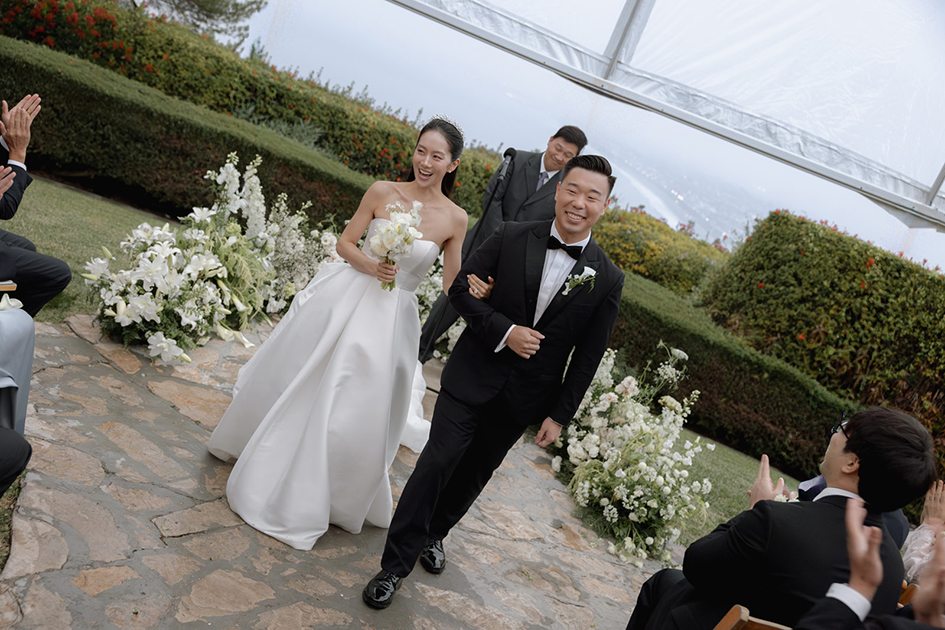
Aja Hitomi Photography courtesy of MBM Hospitality
A portfolio can show you what a vendor creates. These conversations reveal who they'll be when the timeline changes, emotions run high, and your wedding day finally arrives. Those are the answers worth paying attention to.
The right questions rarely appear on a pricing sheet. Ask them anyway.
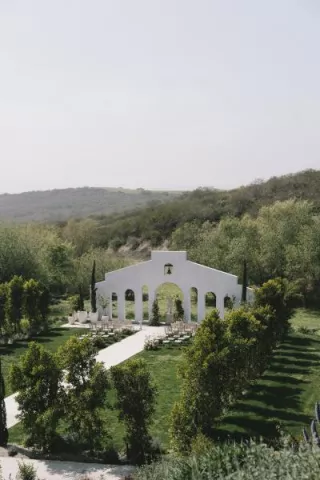
Main photo by Brand You Photography courtesy of Champagne Dreams + Co.